The Design and Construction of Quality Residential Fences
Release time:2026-01-07 Click:45
Residential fences serve multiple essential functions for homeowners, providing privacy, security, safety for children and pets, noise reduction, and aesthetic enhancement that contribute to property value and quality of life for the families they protect. The evolution of residential fencing from simple boundary markers to sophisticated architectural elements reflects changing homeowner expectations, expanded material options, and design innovations that enable fences to complement rather than detract from the architectural character of homes and landscapes. Understanding the considerations that influence residential fence selection helps homeowners make informed decisions that balance the multiple objectives that quality fence installations serve while avoiding the problems that inadequate planning or poor installation can create.
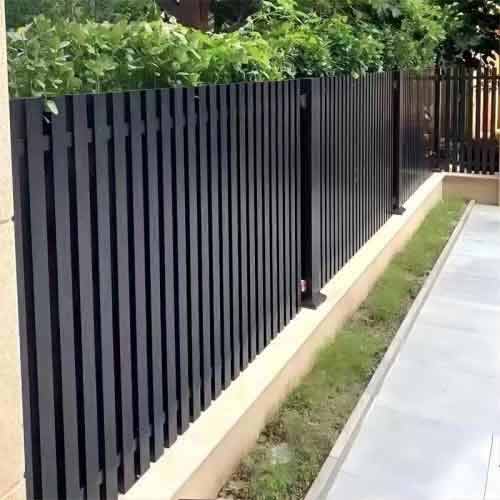
The materials available for residential fencing span an enormous range, from traditional wood through vinyl, composite, metal, and masonry options that each offer distinct performance characteristics, maintenance requirements, and aesthetic contributions to home design. Wood fencing, typically constructed from pressure-treated pine, cedar, or redwood, provides natural warmth and traditional character at moderate cost, though it requires periodic staining or sealing to maintain appearance and resist weathering. Vinyl fencing has captured substantial market share through its low maintenance requirements, durability, and clean appearance that avoids the weathering concerns that affect wood, with manufacturers offering comprehensive warranties that provide confidence in long-term performance. Composite fencing, combining wood fiber and plastic resin, offers the appearance of wood with reduced maintenance requirements, though at price points that exceed both wood and vinyl options. Metal fencing, including ornamental steel and aluminum constructions, provides durability and security advantages that appeal to homeowners prioritizing these characteristics, while masonry options including concrete, brick, and stone provide permanence and security that justify their substantial cost in appropriate applications.
The design and installation of residential fencing requires attention to local regulations, property boundaries, and practical considerations that determine whether fence installations meet homeowner objectives or create problems that diminish their investment value. Property line determination, ideally through professional survey confirmation before installation, prevents disputes with neighbors and potential legal complications that can arise from fence encroachment on adjacent properties. Height restrictions and material limitations imposed by homeowners associations or local ordinances must be verified before purchase and installation to avoid costly modifications or removal orders. Installation practices including proper post setting depth, adequate concrete anchoring, and appropriate gate hardware selection determine whether fences will maintain their appearance and function through years of weather exposure and use that tests their structural integrity. Quality fence installations provide homeowners with the privacy, security, and aesthetic enhancement they seek while avoiding the sagging gates, leaning panels, and premature deterioration that characterize poorly planned or executed fence projects.
Previous article:The Best Privacy Screen for a High-Rise Balcony
Next article:Define Your Space with Elegance: Latticework Outdoor Privacy Screens
Hot products
Mobile: +86 15097722953
Email:metalproducts2021@163.com
Email:1755383270@qq.com
