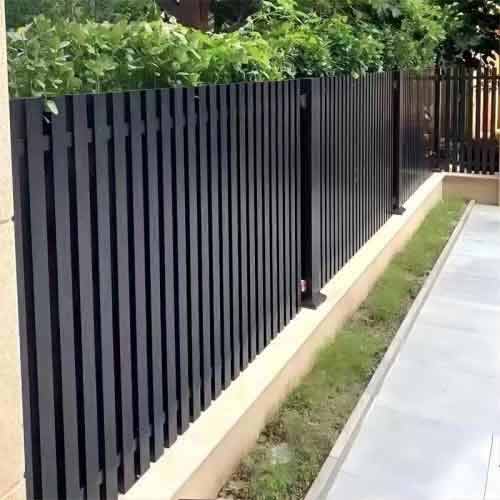
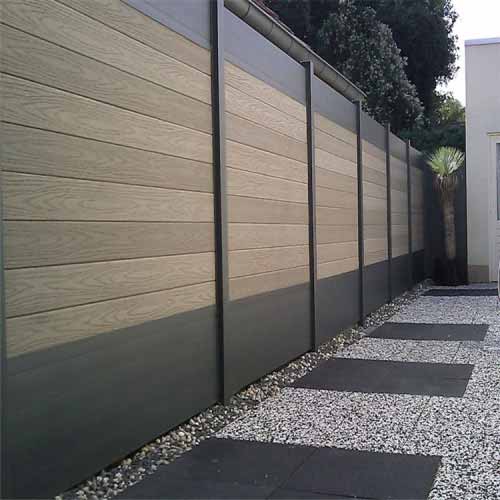
Product details description
Outdoor privacy screens have become an essential element in patio design,
allowing homeowners to create secluded, intimate outdoor spaces where they can
relax, entertain, and enjoy the outdoors without being overlooked by neighbors
or passersby. These screens come in a wide range of materials, styles, and
designs, making it easy to match them to any patio aesthetic—from modern and
minimalist to rustic and traditional. Beyond providing privacy, outdoor privacy
screens can also serve additional functions, such as blocking wind, filtering
sunlight, and enhancing the overall beauty of the patio. Selecting the right
privacy screen and installing it correctly are key to creating a functional and
visually appealing private outdoor space.
The choice of material is a critical factor in selecting an outdoor privacy
screen for a patio. Common materials include wood, metal, vinyl, bamboo, and
fabric, each offering distinct advantages in terms of durability, maintenance,
and appearance. Wood screens, made from cedar, redwood, or pressure-treated
lumber, provide a warm, natural look that complements rustic or traditional
patio designs. They are durable when properly sealed and stained, but require
regular maintenance to prevent rot and insect damage. Metal screens, typically
made from aluminum or wrought iron, offer a modern, sleek appearance and are
highly durable, resistant to rust and weather damage with minimal
maintenance.
Vinyl screens are a low-maintenance option, as they are resistant to rot,
insect damage, and fading, making them ideal for homeowners who want a
long-lasting solution without the need for regular upkeep. Bamboo screens are
lightweight, eco-friendly, and provide a tropical, exotic look, perfect for
creating a relaxed, vacation-like atmosphere on the patio. Fabric screens, such
as outdoor curtains or roller shades, are versatile and easy to install,
allowing homeowners to adjust the level of privacy as needed. They are available
in a wide range of colors and patterns, adding a pop of color and style to the
patio, but require proper storage during harsh weather to prevent damage.
The design and placement of the outdoor privacy screen are also important
for creating an effective private space. The screen should be tall enough to
block the line of sight—typically 6-8 feet high for most patio applications. The
placement depends on the layout of the patio and the direction of the unwanted
view: screens can be installed along the perimeter of the patio, attached to the
house or existing structures (such as pergolas or fences), or used to create
separate zones within the patio (e.g., a dining area or a lounge area).
Additionally, incorporating decorative elements such as planters, climbing
vines, or built-in lighting into the privacy screen can enhance its visual
appeal and create a more inviting atmosphere.
Proper installation and maintenance ensure that the outdoor privacy screen
remains functional and attractive for years to come. For permanent screens (such
as wood or metal), secure installation is essential—posts should be anchored
deeply into the ground or attached to solid structures to withstand wind and
weather. For temporary or portable screens (such as bamboo or fabric), ensuring
that they are properly secured to prevent movement is still important.
Maintenance requirements vary by material: wood screens need annual sealing or
staining, metal screens may require occasional cleaning and touch-up painting,
and vinyl and bamboo screens only need periodic cleaning with soap and water. By
selecting the right material, design, and placement, homeowners can transform
their patio into a private, peaceful outdoor sanctuary that meets their
relaxation and entertainment needs.
Previous article:
Outdoor Privacy Screen Customization: Personal Design Options
Next article:no more