Material Choices for a Durable Outdoor Decorative Privacy Screen
Release time:2026-01-09 Click:47
The selection of materials for outdoor decorative privacy screens requires careful consideration of durability, aesthetics, and functional requirements that will determine long-term performance and value retention. Privacy screens serve multiple purposes in outdoor environments, including visual screening, wind reduction, noise attenuation, and decorative enhancement of residential and commercial landscapes. The diverse material options available, ranging from natural wood to engineered composites and metals, each offer distinct advantages and limitations that must be evaluated against specific project requirements. Understanding the characteristics of available materials enables property owners and designers to select screen systems that provide lasting value while achieving desired aesthetic and functional objectives.
Natural wood has long served as the traditional material for outdoor privacy screens, offering warm aesthetics and natural integration with landscape settings. Wood species vary significantly in their natural durability, with hardwoods such as teak, ipe, and cedar providing inherent resistance to decay and insect attack that enables long service life without chemical treatment. Softwoods including pine and fir require pressure treatment or regular maintenance applications of preservatives to achieve comparable durability. The workability of wood allows for diverse design expressions, from traditional lattice patterns to contemporary horizontal slat configurations. However, wood requires ongoing maintenance including periodic staining or sealing to protect against moisture, UV exposure, and biological degradation that can compromise appearance and structural integrity over time.
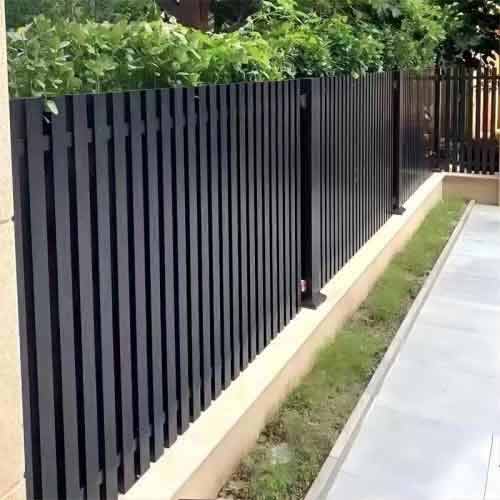
Metal privacy screens provide exceptional durability and structural strength that enables long service life with minimal maintenance requirements. Steel screens offer high strength and can be formed into intricate patterns using laser cutting or CNC fabrication techniques that create customized decorative effects. Aluminum provides lighter weight with good corrosion resistance, making it suitable for applications where structural requirements are moderate and corrosion resistance is paramount. Metal screens can be finished with powder coatings, anodizing, or other protective treatments that enhance weather resistance and enable diverse color options. The thermal conductivity of metal creates considerations for solar heat gain in sunny climates, where darker colors may become uncomfortably hot to touch during summer months.
Composite materials engineered for outdoor applications offer combinations of durability and aesthetic flexibility that address limitations of both natural wood and metals. Wood-plastic composites combine wood fiber or flour with plastic polymers to create materials that resist decay, insect attack, and moisture damage while providing appearance similar to natural wood. These composites require minimal maintenance beyond occasional cleaning and do not require staining or sealing. High-density polyethylene and PVC-based composites provide additional durability and color options, though at higher cost than wood-plastic alternatives. The manufactured nature of composites enables consistent quality and appearance that may be difficult to achieve with natural materials, though some property owners prefer the authentic character of natural wood.
Bamboo privacy screens offer a sustainable and aesthetically distinctive option that has gained popularity in contemporary landscape design. Bamboo grows rapidly and can be harvested without plant destruction, making it one of the most sustainable structural materials available. The natural warmth and visual interest of bamboo complements Asian-influenced and modern landscape styles. However, bamboo requires treatment or regular maintenance to resist moisture damage and insect attack in outdoor environments. The natural variations in bamboo culms create installation challenges and may result in uneven appearance as materials weather over time. Climate considerations also affect bamboo performance, with some species better suited to specific temperature and humidity conditions.
The selection of privacy screen materials should be guided by comprehensive evaluation of project-specific factors including aesthetic preferences, budget constraints, maintenance capacity, and performance requirements. Initial cost comparisons should be expanded to include lifecycle costs that account for maintenance requirements, expected service life, and replacement timing. Climate exposure including UV intensity, precipitation, and temperature extremes influences material selection and maintenance requirements. Integration with existing landscape and architectural elements affects aesthetic compatibility and overall design coherence. Property owner preferences regarding authenticity versus manufactured appearance, and willingness to perform maintenance activities, significantly influence appropriate material selection for specific applications.
Previous article:Define Your Space with Elegance: Latticework Outdoor Privacy Screens
Next article:Home Security Enhancement and Aesthetic Landscaping with Residential Fence
Hot products
Mobile: +86 15097722953
Email:metalproducts2021@163.com
Email:1755383270@qq.com
