Customizable Outdoor Privacy Screen DIY for Patios
Release time:2026-02-08 Click:25
Creating a secluded and inviting outdoor living space is a priority for many homeowners, especially in urban areas where proximity to neighbors can compromise comfort. An outdoor privacy screen DIY project offers a cost-effective and creative solution to block unwanted views, reduce noise, and define garden zones. These screens can be constructed from a variety of materials, including wood slats, bamboo, metal mesh, or recycled composite lumber. The "DIY" aspect allows for complete customization in terms of height, width, and design, enabling homeowners to match the screen to their existing architectural style, whether it’s modern, rustic, or tropical.
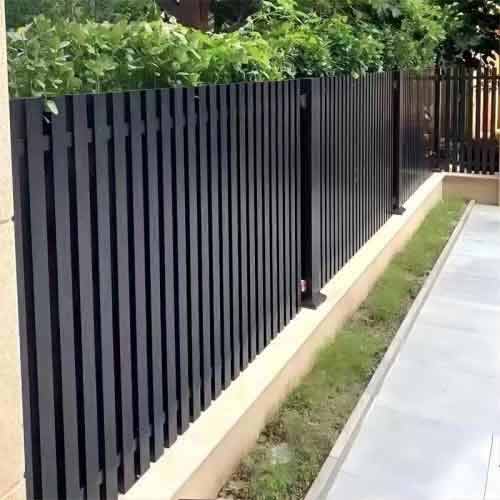
The construction of an outdoor privacy screen DIY typically involves building a sturdy frame from pressure-treated lumber or aluminum posts to withstand wind loads. The infill material is then attached to the frame. For example, woven willow or bamboo provides a natural, organic look that blends well with greenery, while powder-coated steel mesh offers a contemporary, industrial aesthetic with superior durability. To enhance privacy without blocking airflow, slatted designs are popular; the angle of the slats can be adjusted to block sightlines from specific angles (like from a neighbor’s second-story window) while still allowing breezes to pass through. This balance between seclusion and ventilation is crucial for maintaining a comfortable microclimate on a patio or deck.
One of the significant benefits of an outdoor privacy screen DIY is the opportunity for vertical gardening. By integrating planter boxes or attaching trellises to the screen structure, homeowners can grow climbing vines like ivy, jasmine, or wisteria. These plants not only add a layer of living privacy that becomes denser over time but also improve air quality and provide shade, reducing cooling costs in the summer. The screen acts as a support system for the vegetation, transforming a flat barrier into a lush, green wall. This biophilic design approach connects the living space with nature, reducing stress and enhancing the overall enjoyment of the outdoors.
Durability is a critical consideration for any outdoor privacy screen DIY project, as it will be exposed to rain, UV radiation, and temperature fluctuations. Using rot-resistant woods like cedar or redwood, or maintenance-free materials like vinyl or aluminum, ensures the screen has a long lifespan. Hardware should be stainless steel or galvanized to prevent rust stains from running down the screen. For added stability, especially in windy locations, the posts can be set in concrete footings or secured to existing structures like fences or walls. Modular DIY kits are now widely available, featuring interlocking panels and brackets that simplify assembly and allow for disassembly and relocation if needed.
Beyond functionality, an outdoor privacy screen DIY serves as a decorative focal point in landscape design. It can be used to hide unsightly views of garbage bins or utility meters, or to create a cozy "room" within a larger garden. Lighting can be integrated into the screen using solar-powered LED strips or string lights, creating a warm ambiance for evening gatherings. The ability to paint or stain the screen allows for seasonal updates or color coordination with outdoor furniture. Ultimately, a well-designed outdoor privacy screen DIY project increases property value by expanding the usable living area and enhancing the curb appeal of the home, making it a rewarding weekend project for the handy homeowner.
Previous article:Elegant Versatile Decorative Privacy Screen Enhances Any Space
Next article:Enhancing Architectural Aesthetics with a Versatile Decorative Screen
Hot products
Mobile: +86 15097722953
Email:metalproducts2021@163.com
Email:1755383270@qq.com
