Choosing the Right Residential Backyard Outdoor Privacy Screen
Release time:2026-02-14 Click:13
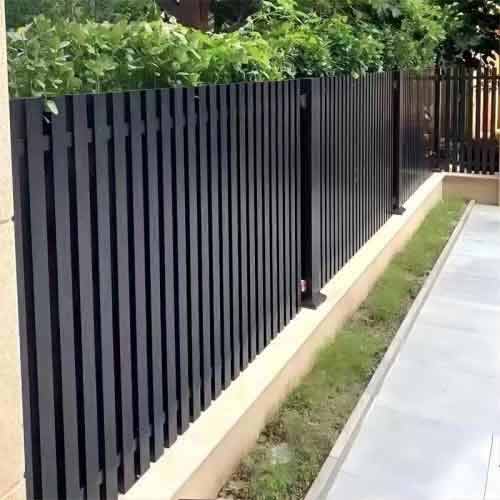
Selecting the ideal outdoor privacy screen for a residential backyard requires balancing aesthetic appeal, functional durability, and maintenance requirements. The primary purpose is to create a secluded sanctuary, but the material choice dictates the screen's longevity and style. Wood offers a classic, warm look that blends naturally with gardens, but it demands regular staining or painting to prevent rot and insect damage. Vinyl and PVC are low-maintenance alternatives that resist moisture and fading, yet they can look artificial and may become brittle in freezing temperatures. Metal screens, such as aluminum or corten steel, provide a modern, industrial aesthetic and exceptional strength, but they offer zero visual blockage unless combined with slats or mesh, and can be prone to rust if not properly coated.
Functionality extends beyond just blocking the view; it includes wind protection and noise reduction. A solid wood or composite fence acts as a sound barrier, dampening traffic noise and creating a quieter environment for relaxation. However, solid panels catch wind like a sail, which can be problematic in stormy weather unless the posts are heavily reinforced. Slatted screens are a popular compromise, allowing airflow and light to filter through while still obscuring sightlines from neighbors. For small urban gardens, vertical gardens or trellises with climbing plants like ivy or jasmine provide dynamic privacy that changes with the seasons, though they require time to establish and regular pruning to keep them from becoming overgrown.
Ultimately, the "right" choice depends on the specific microclimate and usage of the space. In coastal areas with high salinity, plastic lumber or treated bamboo is superior to untreated wood or standard steel. For pools or hot tubs, the screen material must be resistant to chlorine and constant moisture. Budget is also a factor; while composite materials have a higher upfront cost, they eliminate the recurring expense of maintenance associated with wood. Homeowners should also consider the installation method—freestanding panels offer flexibility to move or reconfigure the space, whereas fixed panel systems provide more stability. By evaluating these factors, one can choose a privacy screen that not only shields the backyard but also enhances its architectural character and livability.
Previous article:The Versatility of Laser Cut Screen in Design
Next article:How Laser Cut Metal Privacy Screens Enhance Outdoor Living Spaces
Hot products
Mobile: +86 15097722953
Email:metalproducts2021@163.com
Email:1755383270@qq.com
