Garden Design: Outdoor Privacy Screen Freestanding Solutions
Release time:2026-02-18 Click:10
The outdoor privacy screen freestanding is a versatile landscaping element that combines aesthetic appeal with functional seclusion for patios, decks, and gardens. Unlike fixed walls or fences that require permanent foundations, a freestanding screen is a mobile or semi-permanent structure that can be repositioned as needed. These screens are essential in urban environments where neighboring properties are close together, or in commercial settings like outdoor dining areas and spa zones. They serve to block unsightly views, reduce wind speed, and dampen noise pollution, creating a microclimate of comfort. The materials range from natural bamboo and timber to modern aluminum and composite panels, allowing the screen to act as a design feature that complements the architecture rather than just a utilitarian barrier. In contemporary design, these screens often double as trellises for climbing plants, blurring the line between hardscape and softscape.
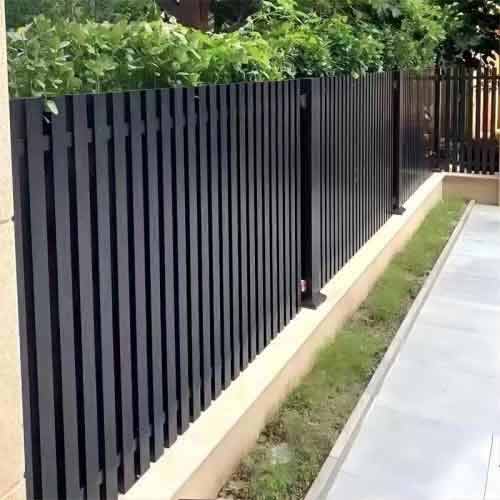
The construction of an outdoor privacy screen freestanding unit focuses on stability without anchoring. The base is usually weighted with heavy concrete or stone planters, or it features wide, flared feet that distribute the load over a larger surface area to prevent tipping in high winds. For metal screens, the frame is typically powder-coated aluminum or stainless steel to resist rust and staining. The infill panels can be slatted wood for airflow, solid composite for total blockage, or perforated metal for a decorative play of light and shadow. A critical design consideration is the wind load rating; a freestanding screen acts like a sail, so the structure must be rigid enough to resist bending but not so heavy that it becomes immovable. Modular designs allow multiple units to be linked together to create a continuous wall or curved enclosure.
Installing an outdoor privacy screen freestanding is a straightforward DIY or contractor task that requires no digging or concrete pouring. The units are simply placed on a level hard surface, such as a paved patio or wooden deck. If the screen is tall (over 1.8 meters), it is advisable to secure the top to a wall or post using a tension rod or bracket to prevent swaying. For screens with planter bases, the installation involves filling the base with soil and planting the chosen vegetation, which adds significant weight and stability. The orientation of the screen is crucial; placing it perpendicular to the prevailing wind direction maximizes its effectiveness as a windbreak. In rental properties or temporary events, lightweight PVC or fabric screens on telescopic frames are used, though these offer less durability and acoustic insulation than solid materials.
Maintenance of an outdoor privacy screen freestanding depends heavily on the material choice. Wood screens require regular staining or sealing every 1-2 years to prevent rot and graying. Metal screens are low-maintenance but may need occasional cleaning to remove dust or pollen buildup, especially if they have intricate cutouts. Composite materials (a mix of wood fiber and plastic) offer the look of wood without the rot, though they can fade over time with UV exposure. If the screen incorporates plants, it requires watering and pruning to keep the foliage dense enough to maintain privacy. In winter, lightweight screens should be moved to a sheltered area or folded (if collapsible) to prevent snow load damage. The freestanding nature means that damaged sections can be easily replaced without dismantling the entire structure, a significant advantage over built-in walls.
Finally, the trend toward outdoor privacy screen freestanding solutions reflects a broader shift in living habits, where outdoor spaces are treated as extensions of the home. The post-pandemic emphasis on creating "sanctuaries" in backyards has driven demand for screens that are both beautiful and functional. Advanced designs now integrate solar-powered LED strips for ambient lighting and built-in speakers for audio entertainment. Some screens are designed with adjustable louvers, allowing the user to control the level of privacy and airflow dynamically. As urban density increases, the ability to create a private, wind-protected oasis without altering property lines or obtaining building permits makes the freestanding screen an indispensable tool in modern landscape architecture. It empowers homeowners to curate their view and their environment with a flexibility that traditional construction cannot match.
Previous article:Create Quiet Zones with Noise Barrier
Next article:Premium Simple Decorative Privacy Screen Solutions for Modern Interiors
Hot products
Mobile: +86 15097722953
Email:metalproducts2021@163.com
Email:1755383270@qq.com
