Practical Approaches to Outdoor Privacy Screen DIY Projects for Enhancing Residential Outdoor Living Spaces
Release time:2026-02-25 Click:9
Outdoor privacy screen DIY projects have become increasingly popular among homeowners seeking to create intimate, comfortable outdoor spaces that provide shelter from wind, sun, and neighborhood visibility while adding visual interest and architectural character to residential landscapes. The fundamental appeal of privacy screen installations lies in their ability to transform exposed, overlooked yards and patios into private outdoor rooms suitable for relaxation, entertainment, and family activities. DIY approaches to privacy screen construction offer significant cost savings compared to professional installation while providing homeowners the satisfaction of creating customized solutions that precisely match their aesthetic preferences and functional requirements. The range of materials, designs, and construction techniques available for DIY privacy screen projects enables creative solutions that complement any architectural style, from modern minimalist to rustic traditional.
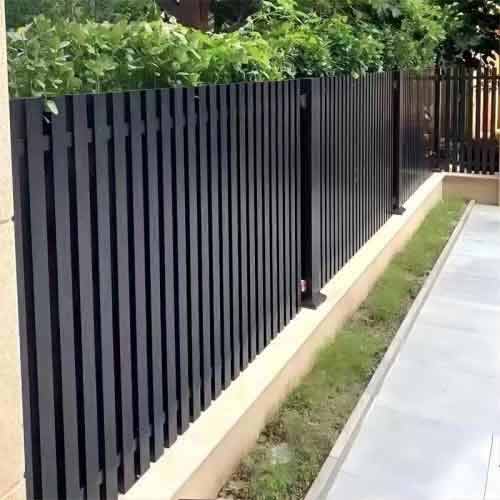
The planning and design of outdoor privacy screen DIY projects requires consideration of purpose, placement, material selection, and construction methods that will ensure successful outcomes for each unique installation. The primary purpose of the privacy screen—whether wind protection, sun shading, visual screening, or some combination of these functions—determines the appropriate screen height, density, and orientation. Placement considerations include the locations of prevailing winds, sun angles throughout the day and seasons, sight lines from the house and neighboring properties, and any applicable building codes or homeowners association restrictions. Material selection for DIY privacy screens ranges from natural materials such as bamboo, reed, and wood to manufactured products including composite lumber, metal panels, and specialty privacy fence fabrics. Each material offers distinct advantages in terms of appearance, durability, maintenance requirements, and cost, enabling homeowners to select options that balance aesthetic preferences with practical considerations. Construction methods must be appropriate to the selected materials and site conditions, with proper consideration of post installation, panel attachment, and finishing techniques.
The execution of outdoor privacy screen DIY projects involves practical construction skills, appropriate tools, and attention to quality details that ensure durable, attractive results. Basic construction tasks typically include post installation, which may involve setting posts in concrete footings, surface-mounting posts to existing surfaces, or using portable base systems that allow for temporary installations. Panel construction and attachment methods vary widely based on material selection, from simple stapling or screwing of fabric screens to more complex joinery for wooden panel construction. Finishing techniques including staining, painting, or applying protective coatings enhance both the appearance and longevity of DIY privacy screens. Safety considerations during construction include proper handling of tools and materials, safe lifting practices for heavy components, and electrical safety when working with power tools. The successful completion of outdoor privacy screen DIY projects provides homeowners with enhanced outdoor living spaces, valuable home improvement skills, and the satisfaction of creating personalized environments that reflect their unique tastes and lifestyles.
Previous article:Outdoor Privacy Screen Patio Ideas & Benefits
Next article:Delivering Versatile Solutions with Durable expanded metal mesh
Hot products
Mobile: +86 15097722953
Email:metalproducts2021@163.com
Email:1755383270@qq.com
