Elegant Decorative Screen Designs for Contemporary Architecture
Release time:2026-03-08 Click:8
## The Renaissance of Decorative Screen in Modern Architectural Practice
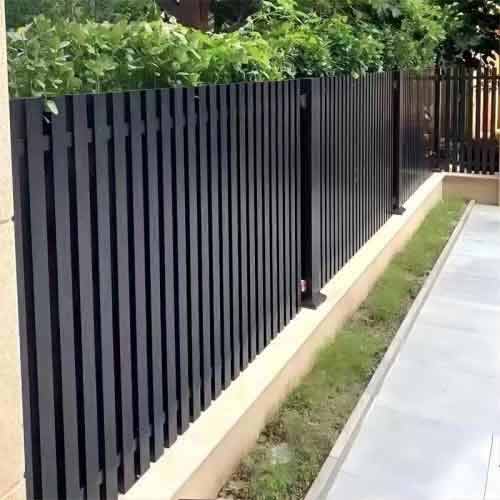
Decorative screen elements have experienced a remarkable renaissance in contemporary architecture, returning to prominence as designers discover their exceptional ability to reconcile functional requirements with aesthetic ambitions. These architectural elements serve multiple purposes simultaneously, providing privacy, sun control, ventilation, and visual interest while maintaining connections between interior and exterior spaces that open-plan architecture increasingly demands. The historical lineage of decorative screen architecture extends across numerous cultures, from Chinese lattice patterns to Islamic geometric screens, providing contemporary designers with rich vocabulary of forms to draw upon in developing project-specific solutions. Modern manufacturing technologies have expanded the possibilities for decorative screen design far beyond traditional material limitations, enabling complex geometries and novel applications that would have been impossible with historical construction methods.
## Materials, Finishes, and Design Possibilities
The material palette available for decorative screen construction has expanded dramatically, offering designers unprecedented freedom in achieving specific aesthetic and performance objectives. Metal screens fabricated from aluminum, steel, or copper provide exceptional durability and structural capability for applications requiring resistance to environmental exposure or structural loading requirements. Wood and wood-composite screens offer warmth and natural character that complements residential applications and hospitality environments where welcoming atmospheres are essential. Glass and polycarbonate panels incorporating etching, perforation, or interlayer patterns create luminous effects as light passes through the screens during different times of day. Composite materials combining metal frames with woven mesh or perforated panel inserts provide solutions that balance transparency with privacy requirements in commercial office and retail environments.
## Residential and Commercial Applications
Decorative screens find application across the full spectrum of building types from private residences to large commercial developments, with specific applications tailored to the unique requirements of each context. Residential projects feature decorative screens as balcony railings, courtyard dividers, and outdoor kitchen enclosures that extend living spaces into garden environments while providing necessary privacy from neighboring properties. Hotel and restaurant projects utilize decorative screens to create intimate dining alcoves, define pool deck areas, and establish distinctive identity for outdoor spaces that reinforce brand positioning. Office building atriums incorporate large-scale decorative screens as wayfinding elements and sun control devices that reduce cooling loads while creating visually engaging environments for building occupants. Healthcare facilities employ decorative screens in healing gardens and patient room balconies where the combination of privacy and connection to nature supports recovery outcomes.
## Installation Methods and Customization Opportunities
The successful implementation of decorative screen systems requires careful consideration of mounting methods, structural support requirements, and maintenance access provisions that ensure long-term performance and appearance. Surface-mounted applications utilize discrete brackets and fastener systems that minimize visual impact while providing secure attachment to building facades or structural elements. Freestanding screen walls in landscape applications require foundation systems appropriate for the height and exposure conditions of specific installation locations. Retractable and sliding screen systems provide flexibility that allows spaces to be opened or closed as conditions and usage patterns change throughout the day or season. Customization opportunities extend beyond material selection to include pattern development, color specification, and integration of branding elements that allow decorative screens to serve as signature design features for specific projects or developments.
Previous article:Enhancing Outdoor Living with Functional Aesthetics: outdoor privacy screen panel
Next article:Rental-Friendly Temporary Outdoor Privacy Screen
Hot products
Mobile: +86 15097722953
Email:metalproducts2021@163.com
Email:1755383270@qq.com
