Ornamental Ironwork and Security of European Style Fence
Release time:2026-01-20 Click:44
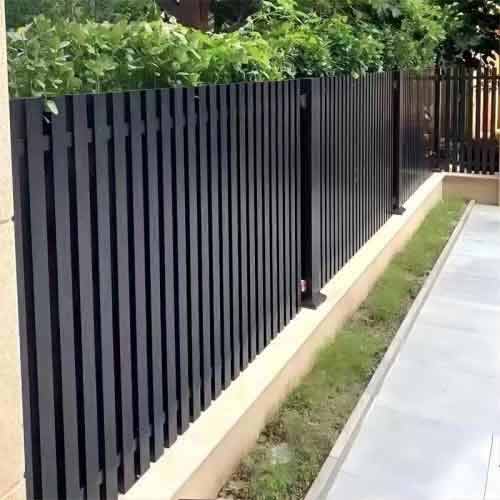
The European style fence represents a fusion of classical aesthetics and modern security, often characterized by its ornate scrollwork, spear-topped pickets, and heavy-gauge steel construction. Originating from the wrought iron gates of 17th-century France and England, these fences have evolved to incorporate contemporary manufacturing techniques like powder coating and galvanization, which provide superior rust resistance compared to traditional painting. The design typically features intricate patterns such as fleur-de-lis, basket weaves, or geometric scrolls, adding a touch of elegance to residential properties, historic estates, and public parks. Unlike utilitarian chain-link fences, the European style fence serves as a visual statement, defining property boundaries while enhancing curb appeal and potentially increasing real estate value.
Security is a paramount feature of the European style fence, despite its decorative appearance. The heavy steel components make it difficult to cut or climb, acting as a formidable physical barrier against intrusion. The pickets are often spaced closely together to prevent small animals or children from squeezing through, while the height—typically ranging from 4 to 8 feet—deters casual trespassers. For high-security applications, the top rail can be reinforced with anti-climb spikes or curved brackets that make it nearly impossible to gain a handhold. Additionally, the European style fence can be integrated with electronic security systems; loops can be embedded in the concrete footings to detect vehicles cutting through, and the rigid structure provides a stable mounting point for cameras, motion sensors, and intercom systems.
Material durability is a key consideration for the European style fence. While traditional wrought iron requires regular painting to prevent corrosion, modern versions utilize hot-dip galvanized steel or aluminum. Aluminum fences offer the advantage of being lightweight and immune to rust, making them ideal for coastal areas where salt spray would quickly degrade steel. However, for a more authentic look and heavier feel, steel is preferred. The surface finish of a European style fence is typically a textured black or bronze powder coat that not only protects the metal but also highlights the intricate details of the casting. This finish can last for decades without peeling or fading, even in harsh weather conditions, reducing the long-term maintenance costs for homeowners.
Installation and customization define the modern European style fence market. Because these fences are often assembled from pre-cast panels or modular sections, installation is faster than on-site forging. Homeowners can choose from a wide array of "gate hardware" such as heavy strap hinges, ring pulls, and decorative lock boxes to match the architectural style of their home. The versatility of the design allows for complex configurations, including arched tops, radius sections for driveways, and integrated planter boxes. As smart home technology advances, the European style fence is also adapting; solar-powered LED lighting can be integrated into the post caps to illuminate walkways and highlight the fence's architectural features at night, creating a warm, inviting atmosphere while maintaining security.
Previous article:Easy Installation Large Decorative Privacy Screen Panels
Next article:Wind-Resistant Temporary Outdoor Privacy Screen
Hot products
Mobile: +86 15097722953
Email:metalproducts2021@163.com
Email:1755383270@qq.com
