Enhancing Architectural Aesthetics with Functional Decorative Screens
Release time:2026-01-29 Click:42
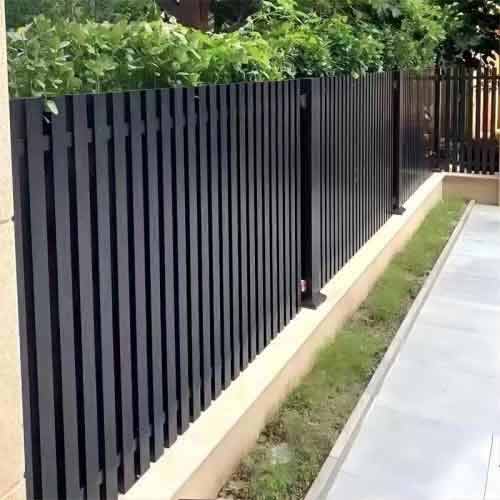
A decorative screen is a versatile architectural element used to add visual interest, provide privacy, filter light, or conceal unsightly areas, all while allowing for airflow and spatial permeability. These screens can be fabricated from a wide array of materials including laser-cut metal, perforated panels, woven wood or bamboo, 3D molded polymers, or even living plants in a trellis system. Unlike solid walls, decorative screens create dynamic plays of light and shadow, adding texture and depth to both interior and exterior spaces, from building facades and garden walls to room dividers and balcony railings.
The design and application of decorative screens are driven by both aesthetic intent and practical function. On building exteriors, they can serve as solar screens or brise-soleil, reducing solar heat gain while creating a distinctive architectural identity. In interior design, they can delineate spaces in an open-plan layout without completely closing them off, maintaining a sense of openness. The pattern—whether geometric, organic, or culturally inspired—is a critical design choice that influences the mood and style of the environment. Modern fabrication techniques, particularly digital laser cutting, allow for immense customization and intricate detailing.
Installation methods vary with the screen's material, scale, and location. Freestanding screens may be self-supporting with a weighted base. Wall-mounted screens require a secure substructure or frame for attachment. Large-scale facade screens are often integrated into the building's curtain wall system or mounted on a secondary support grid. Considerations include structural load, wind resistance (for exterior screens), and ease of maintenance. Properly engineered, a decorative screen becomes a durable, integral part of the architecture, not just a superficial appliqué.
Beyond beautification, decorative screens offer tangible functional benefits. They can improve energy efficiency by shading windows, reduce noise through sound diffusion, and enhance security by obscuring views into private areas. In urban settings, they contribute to a more humane streetscape by softening the appearance of blank walls or utility boxes. As a fusion of art and architecture, the decorative screen demonstrates how purposeful design can transform a simple functional need—for privacy, shade, or concealment—into an opportunity for creative expression and environmental enhancement.
Previous article:Defining Property with Elegance and Craftsmanship: The European Style Fence
Next article:Enhancing Privacy and Curb Appeal with a Stylish Residential Fence
Hot products
Mobile: +86 15097722953
Email:metalproducts2021@163.com
Email:1755383270@qq.com
