Creating Secluded Spaces with Outdoor Privacy Screen Panels
Release time:2026-02-10 Click:9
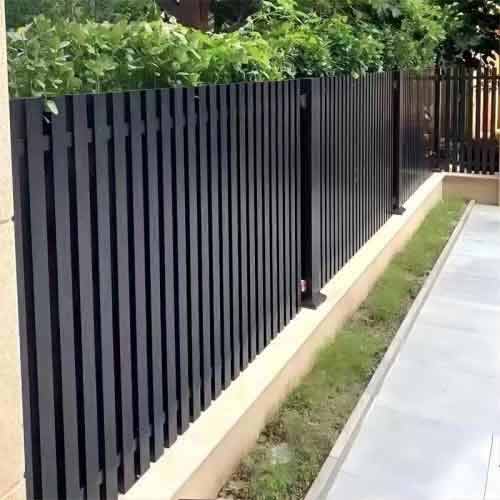
Outdoor privacy screen panels have become essential elements in landscape and architectural design, offering both functionality and aesthetic appeal. These panels create intimate spaces in gardens, patios, and public areas, shielding users from noise, wind, and prying eyes. Made from various materials like wood, metal, or composite, they blend seamlessly with outdoor environments while enhancing comfort and usability.
The design of outdoor privacy screen panels ranges from simple lattices to intricate patterns, allowing for customization based on personal style and practical needs. Materials such as cedar or bamboo provide natural warmth and durability, while aluminum or PVC offer low-maintenance options resistant to weathering. Panels can be fixed or movable, with some featuring integrated planters or lighting for added versatility. Their modular nature enables easy installation and reconfiguration.
In residential settings, outdoor privacy screen panels are used to define boundaries between yards or create cozy nooks for relaxation. They surround swimming pools or hot tubs, ensuring safety and discretion. In urban areas, they mitigate noise from streets and neighbors, improving quality of life. Commercial applications include restaurant patios or office courtyards, where they foster a tranquil atmosphere for patrons and employees.
Benefits of outdoor privacy screen panels extend beyond seclusion. They can reduce wind speed, making outdoor spaces more comfortable in breezy conditions. By blocking direct sunlight, they offer shade and coolness during hot days. Aesthetically, they serve as decorative backdrops for climbing plants or art installations, enhancing visual interest. Environmentally, permeable designs allow air circulation, preventing mold and promoting plant growth.
Installation considerations include assessing site layout and local regulations for height and placement. Panels are typically mounted on posts or existing structures, secured with hardware suited to the material. For temporary setups, freestanding panels with weighted bases provide flexibility. Maintenance involves periodic cleaning and, for natural materials, sealing or staining to prevent decay. Proper anchoring is crucial in windy regions to ensure stability.
The future of outdoor privacy screen panels lies in smart and sustainable innovations. Solar-powered panels with built-in LEDs can illuminate spaces at night. Recycled materials or living screens with integrated greenery support eco-friendly design. As outdoor living trends grow, these panels will evolve to include acoustic insulation or digital displays. By merging privacy with creativity, outdoor privacy screen panels continue to transform how we experience and enjoy open-air environments.
Previous article:Enhancing Seclusion with an Outdoor Privacy Screen Patio
Next article:Customizable Outdoor Decorative Screens
Hot products
Mobile: +86 15097722953
Email:metalproducts2021@163.com
Email:1755383270@qq.com
