Product details description
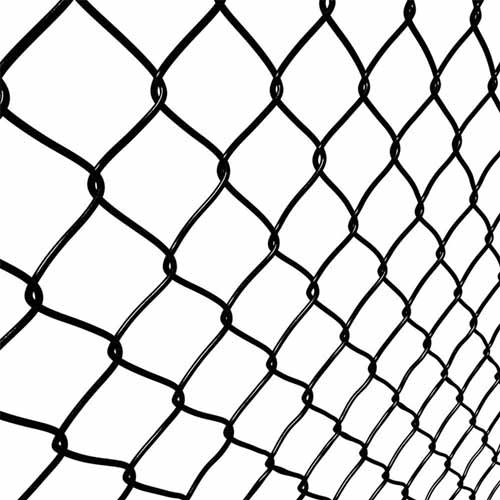
Chain link fences are one of the most widely used fencing systems globally,
recognized for their practicality, durability, and cost-effectiveness. Composed
of interwoven galvanized or PVC-coated steel wires formed into a diamond mesh
pattern, these fences serve as a robust barrier while maintaining essential
visibility, making them suitable for a diverse range of residential, commercial,
industrial, and public applications.
A key attribute of chain link fences is their structural resilience. The
interlocking wire design distributes force evenly across the entire mesh,
enabling the fence to withstand external impacts such as strong winds,
accidental collisions, or attempted breaches. The choice of materials enhances
this durability: galvanized steel wires resist rust and corrosion caused by
moisture and harsh weather conditions, while PVC-coated variants add an extra
layer of protection and offer color customization—from standard black and green
to more vibrant hues—aligning with aesthetic needs. The supporting framework,
typically consisting of steel posts and rails, further reinforces stability,
ensuring the fence remains intact even in uneven or challenging terrains.
Versatility in application is another standout feature of chain link
fences. In residential settings, they are commonly used to enclose backyards,
gardens, and swimming pools, creating a safe space for children and pets while
deterring unauthorized entry. Commercial and industrial properties rely on them
to secure warehouses, factories, construction sites, and parking lots,
minimizing the risk of theft, vandalism, and trespassing. Public facilities,
including parks, sports fields, schools, and government buildings, utilize these
fences to partition areas, manage crowds, and safeguard public safety.
Additionally, in agricultural contexts, chain link fences are effective for
enclosing pastures, livestock pens, and crop fields, protecting livestock from
predators and preventing crop damage.
Installation and maintenance of chain link fences are relatively
straightforward, contributing to their popularity. The fences are lightweight
and can be transported in rolled-up mesh form, reducing logistics costs and
storage space. On-site installation involves setting steel posts (either by
embedding them in concrete or driving them into the ground), attaching rails,
and unrolling and securing the mesh. Unlike wooden fences that require regular
painting or sealing, or stone walls that demand intensive upkeep, chain link
fences only need occasional inspections and cleaning to remove dirt, debris, or
vegetation. Galvanized and PVC-coated models, in particular, have a long service
life—often 15 to 25 years—with minimal maintenance costs.
Cost-effectiveness is a major factor driving the widespread adoption of
chain link fences. Compared to other fencing options like aluminum, wood, or
wrought iron, chain link fences are more affordable in terms of both material
and installation costs. Their long lifespan and low maintenance requirements
further reduce the total cost of ownership, making them an economical choice for
both small-scale residential projects and large-scale commercial or industrial
developments.
In conclusion, chain link fences stand out as a reliable, versatile, and
cost-effective enclosure solution. Their structural resilience, diverse material
options, wide-ranging applications, easy installation, and low maintenance make
them indispensable in various sectors. As the demand for practical and secure
fencing continues to grow, chain link fences will remain a preferred choice for
creating safe and defined boundaries.
Previous article:
white picket fence panels best selling products 2023 white wrought iron fence
Next article:
Powder Coated Dark Grey Customized Making Privacy Slat Aluminum Garden Fence