Product details description
Outdoor privacy screens are essential for creating sanctuaries on patios,
balconies, and in gardens. The choice involves balancing aesthetics, wind
resistance, durability, and maintenance.
Material Selection
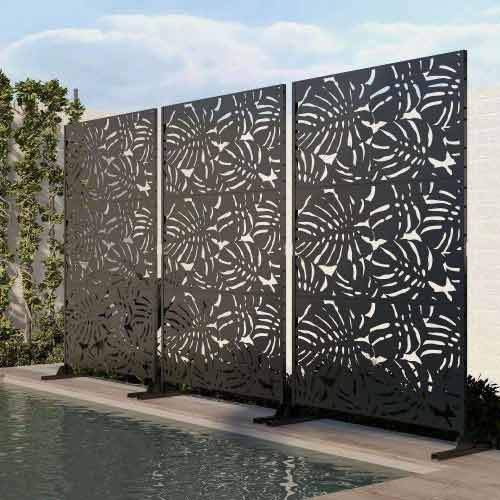
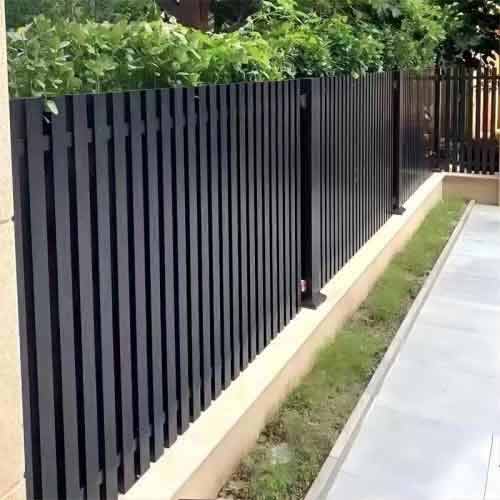
Aluminum: The best all-rounder. It is rust-proof, lightweight, and can be
powder-coated any color. It withstands coastal salt air but can be dented by
impact.
Wood (Cedar/Teak): Offers natural warmth. Cedar is naturally rot-resistant
due to oils, but it requires annual oiling to maintain color. It is heavy and
can warp if not sealed properly.
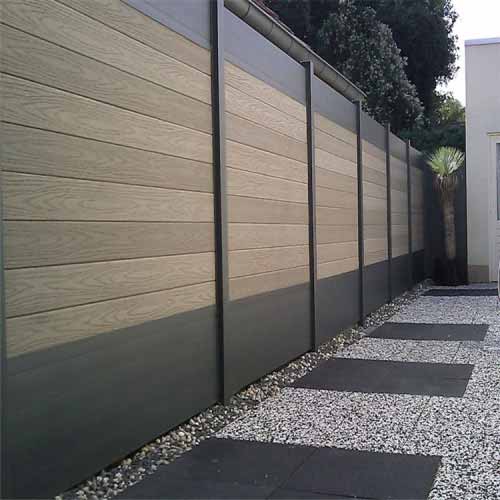
Vinyl/PVC: Low maintenance and cheap. It mimics wood grain but can become
brittle in freezing temperatures and sag in high heat.
Fabric (Canvas/Mesh): Removable and breathable. "Shade cloth" allows
airflow but blocks UV rays. However, fabric is prone to mildew if not dried out
and offers zero security.
Wind Load and Permeability
Solid screens act as a sail. In hurricane-prone areas, a solid wood fence
can be ripped out of the ground. "Slatted" screens (with gaps between boards)
allow 30-50% of wind to pass through, drastically reducing the load on the
posts. For high-rise balconies, mesh or perforated metal is often legally
required due to wind tunnel effects.
Height and Zoning
Check local building codes; most municipalities limit fence height to 6
feet in front yards and 8 feet in backyards. If you need more privacy, consider
a "double screen" system: a lower decorative fence topped with a removable
trellis or bamboo screening.
Installation Type
Freestanding: Ideal for renters. These have weighted bases and require no
drilling.
Post-Mounted: More secure. Posts should be set in concrete below the frost
line (usually 24-36 inches deep) to prevent heaving in winter.
Previous article:
Outdoor Privacy Screen Wall Panels - Windproof Design
Next article:
Environmental Impact of Outdoor Privacy Screens and Sustainable Choices