Product details description
Outdoor privacy screens have evolved from simple boundary markers to
sophisticated security installations that combine visual screening, physical
barrier functions, and technological features to protect residential,
commercial, and industrial properties. Modern privacy screen designs address
multiple security objectives including visual concealment of valuable assets,
physical deterrence of unauthorized access, and integration with electronic
security systems that provide monitoring and alarm capabilities. The selection
of privacy screen security features requires comprehensive assessment of the
specific threats and vulnerabilities at each installation site, balancing
security effectiveness against aesthetic considerations, cost constraints, and
practical maintenance requirements. Understanding the range of available
security features enables property owners and security professionals to design
privacy screen installations that effectively address the unique security
challenges of each application.
The physical security features of outdoor privacy screens encompass
structural design elements that provide resistance to forced entry, vandalism,
and environmental threats that could compromise the protective function of the
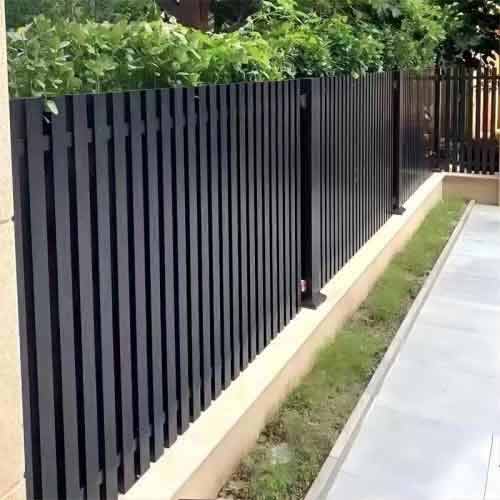
installation. Frame construction materials including steel, aluminum, and
reinforced composites provide the structural integrity necessary to resist
physical attack, with material selection based on the required security level,
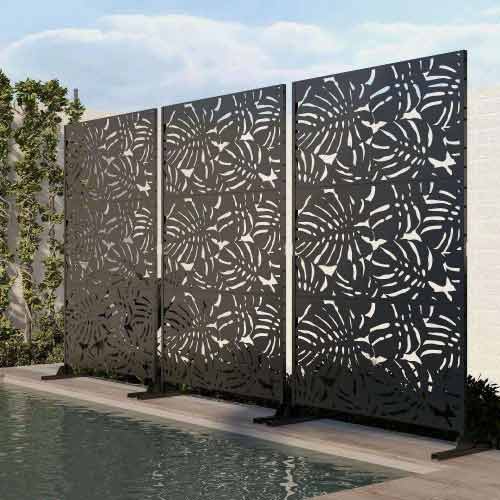
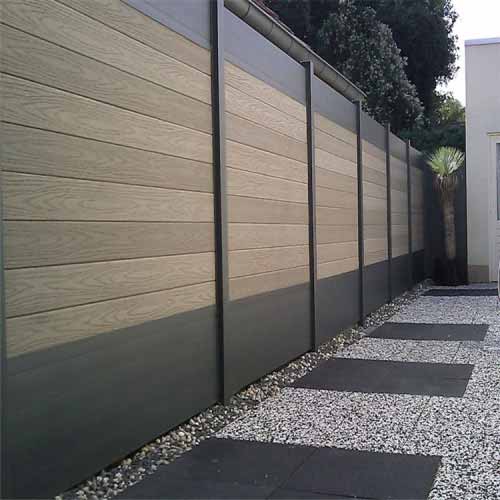
environmental exposure, and aesthetic preferences. Panel materials ranging from
perforated metals to composite boards to reinforced fabrics offer different
combinations of visual screening effectiveness, durability, and resistance to
cutting, climbing, and impact damage. The connection systems that secure panels
to frames must resist tampering and forced removal, with tamper-resistant
fasteners, hidden hardware, and interlocking designs preventing the rapid
disassembly that could enable unauthorized access. Height and configuration of
privacy screens affect their effectiveness as climbing barriers, with taller
screens and configurations that eliminate handholds and footholds providing
enhanced resistance to intrusion.
Technological integration has expanded the security capabilities of outdoor
privacy screens far beyond passive barrier functions, incorporating electronic
sensors, cameras, lighting, and communication systems that provide active
security monitoring and response capabilities. Motion sensors integrated into
privacy screen structures can detect approaching individuals and trigger alarms,
lighting activation, or camera recording that enhances the detection and
documentation of security events. Surveillance camera mounting provisions enable
the integration of security cameras into privacy screen structures, providing
elevated viewpoints and protected camera locations that resist tampering while
maintaining visual coverage of protected areas. Access control integration
allows privacy screens to interface with gate operators, door locks, and other
physical access control devices, enabling coordinated security responses to
unauthorized access attempts. Communication systems including intercoms,
speakers, and cellular or network connections enable remote monitoring and
two-way communication with individuals at the screen perimeter.
The aesthetic integration of security features into outdoor privacy screens
requires careful attention to design harmony that maintains the visual appeal of
the installation while incorporating effective security elements. The materials,
colors, and patterns selected for privacy screen panels should complement the
architectural character of the protected property, avoiding the institutional
appearance of high-security facilities while maintaining the intended security
effectiveness. Lighting integration must balance security illumination needs
with considerations of light pollution, neighbor impacts, and energy efficiency,
with shielded fixtures and motion-activated controls directing light where
needed while minimizing unwanted illumination. The maintenance requirements of
security features including sensor testing, camera cleaning, and electronic
system updates should be considered during design to ensure that security
capabilities can be sustained over the operational life of the installation. The
comprehensive design of outdoor privacy screen security features enables
property owners to achieve effective protection while maintaining the aesthetic
quality and functional usability of their outdoor spaces.
Previous article:
Environmental Impact of Outdoor Privacy Screens and Sustainable Choices
Next article:
Decorative Laser-Cut Metal Screens for Outdoor Privacy