Product details description
Outdoor privacy screens serve to delineate spaces, shield from wind,
and—most importantly—control visibility according to desired privacy levels.
Ranging from transparent to fully opaque, these screens come in materials and
designs that balance aesthetics, airflow, and functionality. Understanding
blocking and visibility options helps users select the right screen for gardens,
patios, balconies, and commercial exteriors.
Privacy level is defined by the degree of visual obstruction. Low privacy
screens (30–50% blockage) allow considerable outward and inward view, suitable
for spaces where partial screening is desired—for example, separating a patio
from a sidewalk while maintaining openness. Medium privacy (50–80%) obscures
details but permits silhouettes and general activity recognition, ideal for
semi-private areas like pool surrounds. High privacy (80–100%) nearly eliminates
visibility, creating secluded zones for intimate gatherings or shielding from
nearby buildings.
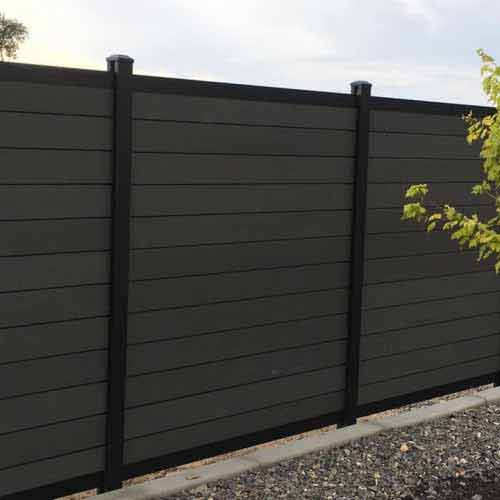
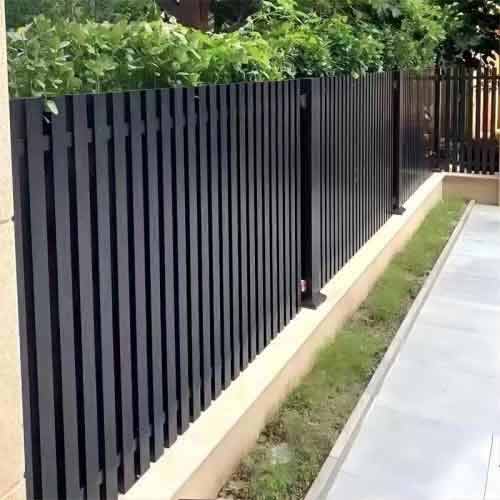
Material choice directly influences privacy and appearance. Wood slats
(horizontal or vertical) offer natural aesthetics and adjustable privacy by
varying slat spacing—closer spacing increases blockage. Bamboo fencing provides
a tropical look with moderate privacy (50–70%) and good ventilation. Metal
screens (perforated aluminum or laser-cut steel) combine durability with design
flexibility; perforation pattern and density control visibility and light
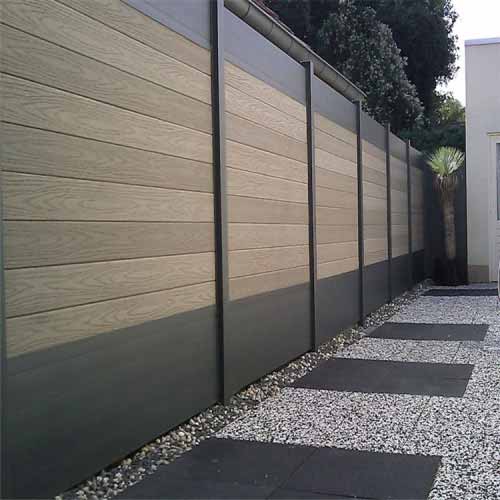
transmission. Composite panels and polycarbonate sheets range from
semi-transparent to opaque, with some featuring adjustable louvers. Fabric
screens (shade cloth or woven mesh) offer seasonal privacy and are easy to
replace or retract.
Design factors affect both function and ambiance. Panel height is a primary
determinant: taller screens (1.8–2.4 m) block views from standing adults, while
shorter ones suit seating areas. Orientation matters—screens facing public areas
generally require higher privacy. Integrating plants (climbing vines or potted
shrubs) with screens enhances both privacy and ecological value. Decorative
patterns on metal or composite screens add visual interest without compromising
function. Openwork designs maintain airflow, reducing wind load and preventing
heat buildup behind the screen.
Blocking and visibility options are also influenced by mounting and
layering. Fixed installations provide constant privacy but limit adaptability.
Retractable or folding screens allow privacy adjustment based on time of day or
activity. Layering screens (e.g., combining a slatted wooden fence with fabric
curtain) creates variable opacity zones. Transparent sections (clear
polycarbonate or open trellis) can be incorporated to preserve views of scenic
areas while screening undesirable sights. Lighting conditions alter perceived
privacy—screens that appear opaque in daylight may allow silhouettes at night,
so nighttime use must be considered in design.
Installation and maintenance ensure lasting performance. Secure anchoring
is essential, especially in windy locations—posts set in concrete or bolted to
structures provide stability. Regular cleaning preserves appearance and
function: wood may need sealing, metal screens require rust removal, and fabric
should be washed to prevent mold. Inspecting for damage and wear allows timely
repairs. Ultimately, choosing the correct privacy level and corresponding
blocking/visibility option enables creation of comfortable, attractive outdoor
spaces tailored to individual needs.
Previous article:
Maintaining Your Outdoor Privacy Screen for Longevity
Next article:
Outdoor Privacy Screen DIY Solutions: Building and Installation Tips