Product details description
Outdoor privacy screens are a fantastic way to enhance the usability and
comfort of a patio, deck, or garden. They provide a necessary barrier against
prying eyes, block wind, and can even define distinct zones within an outdoor
living space. While hiring a contractor is an option, building a privacy screen
can be a rewarding DIY project that allows for customization and cost savings.
With the right materials and a clear plan, a homeowner can construct a durable
and attractive privacy feature.
Choosing the right material is the first critical step in a DIY privacy
screen project. Common materials include wood, which offers a natural look but
requires regular maintenance; vinyl or PVC, which is durable and
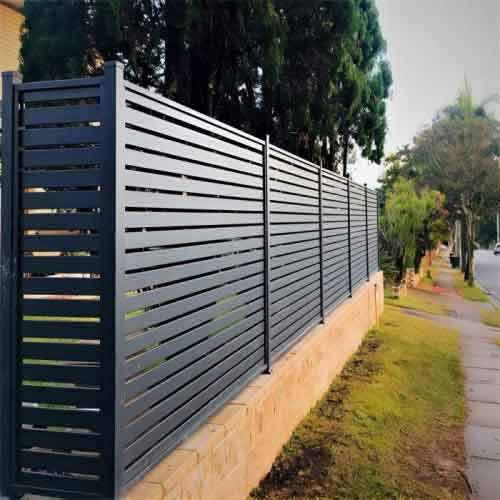
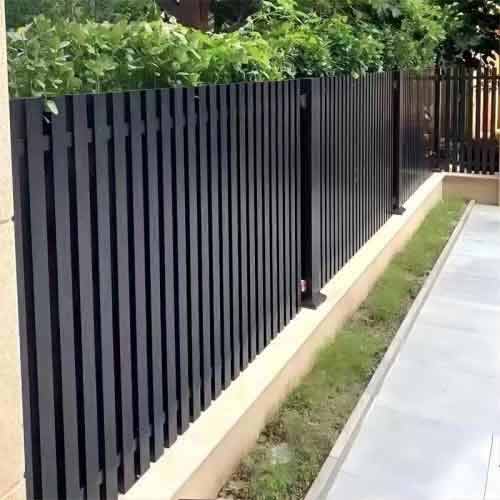
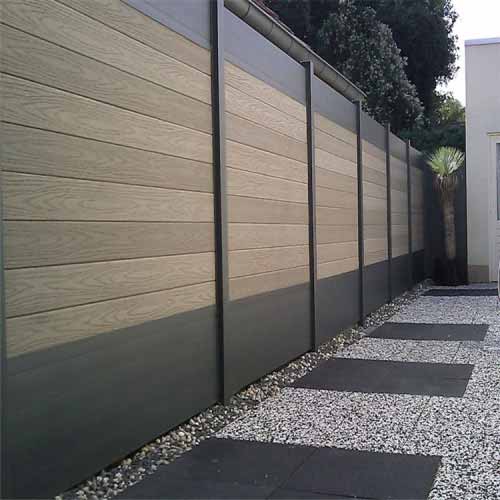
low-maintenance; and metal panels for a modern, sleek aesthetic. The choice
should depend on the climate and the desired style. For DIYers, lightweight
materials like bamboo reed fencing or lattice panels are often preferred because
they are easier to handle and install without heavy equipment. It is important
to select materials rated for outdoor use to ensure they withstand sun, rain,
and temperature fluctuations.
The design and layout should be carefully planned before construction
begins. The screen needs to be sturdy enough to withstand wind loads, so the
placement of posts must be solid. Determining the height is also crucial;
typically, a 6-foot height provides adequate privacy for seating areas. The
homeowner should also consider whether they want a solid panel for total privacy
or a lattice design to allow some light and air to pass through. Sketching the
design and measuring the area accurately will prevent material wastage and
structural issues later in the project.
Installation techniques vary based on the chosen material, but ensuring
levelness and stability is universal. For framed screens, setting the posts in
concrete is the most secure method, although bracketing to an existing deck can
work for lighter screens. It is vital to use galvanized or stainless steel
hardware to prevent rust. If attaching to a building, using proper spacers and
flashing is necessary to prevent water damage to the house wall. Ensuring the
structure is perfectly vertical and plumb during installation will result in a
professional-looking finish that is stable for years.
Finally, adding aesthetic touches can elevate a simple DIY screen into a
beautiful landscape feature. Painting or staining the screen to match the home's
exterior creates a cohesive look. Planting climbing vines or tall shrubs near
the base can soften the hard edges and blend the structure into the garden.
Adding planter boxes to the top of a solid screen can introduce color and life.
By combining solid construction with creative landscaping, a DIY privacy screen
becomes more than just a barrier; it becomes an integral part of the outdoor
living experience.
Previous article:
Outdoor Privacy Screen Privacy Levels: Blocking and Visibility Options
Next article:
Outdoor Privacy Screen Customization: Personal Design Options